Geku of Ise Grand Shrine, located in Ise City, Mie Prefecture, is one of the two main shrines of Ise Grand Shrine, one of Japan’s most representative shrines.
Formally known as “Toyouke Daijingu,” it enshrines deities deeply connected to our daily lives.
It is also the first place many visitors to Ise Grand Shrine visit, and is important for understanding the “correct order of worship” and “blessings.” Here, we will explain the basics of Geku Shrine in an easy-to-understand way for beginners.
1-1. What is Geku Shrine? (Formal Name and History)
The formal name of Geku Shrine is “Toyouke Daijingu.”
The main deity enshrined here is Toyouke-no-Omikami, the god who presides over food and industry.
This deity is considered to support all aspects of people’s lives, including clothing, food, and shelter, and is known for the following blessings:
・Abundant harvests
・Business prosperity
・Industrial development
・Family harmony
Geku is believed to have been founded approximately 1500 years ago (during the reign of Emperor Yuryaku), beginning with the enshrinement of the deity who presides over the meals of Amaterasu Omikami.
In other words, Geku Shrine has long played an important role as a place to enshrine the deity who supports daily life.
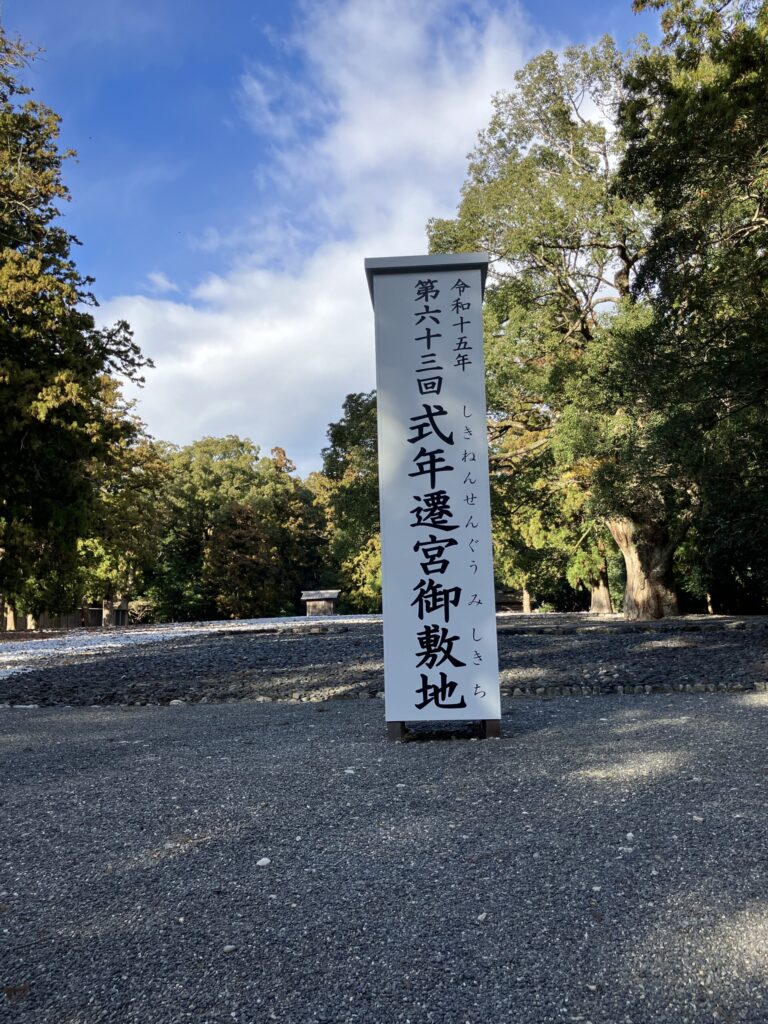
Furthermore, Ise Grand Shrine undergoes a large-scale rebuilding ceremony called “Shikinen Sengu” every 20 years. This is a Shinto ritual to move the deity to a new shrine building, a unique Japanese tradition that maintains a state of constant purity.
Given this history and role, Geku Shrine is not merely a tourist destination, but a central presence in Japanese culture and faith.
1-2. Differences and Relationship with Naiku Shrine
Ise Grand Shrine has two main shrines: Geku Shrine and the Naiku Shrine.
・Geku Shrine: Toyouke-Ōmikami (Goddess of Life and Industry)
・Naiku Shrine: Amaterasu-Ōmikami (Supreme Deity of Japan and Ancestral Deity of the Imperial Family)
Naiku Shrine (Kōtaijingu) is a sacred place dedicated to Amaterasu-Ōmikami, the supreme deity in Japanese mythology, and is considered the spiritual and national center.
On the other hand, Geku Shrine is characterized by its deity that supports daily life.
In other words, the relationship between the two can be summarized as follows:
・Naiku Shrine: Spiritual and symbolic center
・Geku Shrine : A presence that supports practical life
The combination of these two makes Ise Grand Shrine a place that “harmonizes both mind and life.”
In terms of distance, Geku Shrine and Naiku Shrine are about 4 km apart, and it is common to travel between them on foot, by bus, or by car.
1-3. Why is “Visiting Geku Shrine First” the Basic Order?
At Ise Grand Shrine, there has long been a concept called “Geku Sensai” (Geku Shrine First Worship), and visiting Geku Shrine first is considered the formal order of worship. The reasons are mainly as follows:
Reason ①: The Order of Giving Thanks to the Gods
Toyouke-Ōmikami, enshrined at Geku Shrine , is the god who presides over Amaterasu-Ōmikami’s meals.
Therefore, it is considered natural to first give thanks to the god who provides food and support for daily life, and then pay respects to Amaterasu-Ōmikami at Naiku Shrine .
Reason ②: Establishing the Foundation of Life Before Turning to Spiritual Prayers
Geku Shrine symbolizes “clothing, food, and shelter,” while Naiku Shrine symbolizes “spirit and prayer.”
In other words, it reflects the Japanese way of thinking: first establishing the foundation of one’s daily life, and then moving on to spiritual prayer.
Reason ③: The Formal Worship Etiquette from Ancient Times
This is not merely a custom, but a formal worship rule that has continued since ancient times.
Even today, many worshippers adhere to this order.
However, it is not a problem to visit only Naiku Shrine due to time constraints, etc.
Nevertheless, for those who want to fully experience the true meaning and blessings of Ise Grand Shrine, visiting in the order of “Geku Shrine → Naiku Shrine” is recommended.
🔹Summary of this chapter
・Ise Grand Shrine’s Geku Shrine is a shrine dedicated to Toyouke-Ōmikami, the god who supports daily life.
・The difference is that Naiku Shrine enshrines Amaterasu-Ōmikami, while Geku Shrine enshrines the god who presides over clothing, food, and shelter.
・The formal order of worship is “Geku Shrine → Naiku Shrine” (Geku Shrine first).